
environmental considerations addressed in electronic circuit board assembly
Environmental considerations in electronic circuit board assembly are increasingly critical as the demand for electronic devices continues to grow. Addressing these considerations involves a multi-faceted approach encompassing material selection, manufacturing processes, waste management, and regulatory compliance to minimize the ecological impact and promote sustainability in the electronics industry.
One of the primary ways environmental considerations are addressed in electronic circuit board assembly is through the careful selection of materials. Traditionally, PCBs have relied on materials such as lead in solder, which poses significant environmental and health risks. In response, the industry has shifted towards lead-free solders, which use alternative materials like tin-silver-copper alloys. These lead-free options reduce the toxicity of electronic waste (e-waste) and lessen the environmental burden when these devices are disposed of. Additionally, efforts are being made to develop and use bio-based and recyclable materials for PCB substrates, which further contribute to reducing the environmental footprint.
The manufacturing process itself is another area where environmental considerations are being addressed. Energy efficiency and water conservation are key focus areas. Many PCB manufacturers are adopting energy-efficient equipment and processes to lower their carbon footprint. For instance, some companies utilize advanced manufacturing technologies such as surface mount technology (SMT) which not only increases efficiency but also reduces waste. Water is extensively used in the PCB manufacturing process, particularly in the cleaning and etching stages. Implementing water recycling and treatment systems helps minimize water consumption and prevents harmful chemicals from contaminating local water sources.
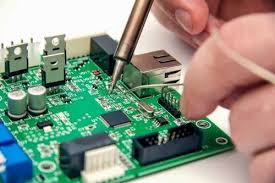
How are environmental considerations addressed in electronic circuit board assembly?
Waste management and recycling play vital roles in addressing environmental concerns in PCB assembly. The production of PCBs generates various forms of waste, including hazardous chemicals, scrap materials, and defective products. Effective waste management strategies involve reducing waste at the source, recycling materials whenever possible, and ensuring the safe disposal of hazardous substances. Many manufacturers participate in take-back programs and collaborate with certified e-waste recyclers to ensure that end-of-life electronics are processed in an environmentally responsible manner. These initiatives help recover valuable materials and reduce the volume of e-waste that ends up in landfills.
Compliance with environmental regulations is another critical aspect. Governments worldwide have implemented stringent regulations to curb the environmental impact of electronic manufacturing. In Europe, the Restriction of Hazardous Substances (RoHS) directive restricts the use of specific hazardous materials in electronic products. Similarly, the Waste Electrical and Electronic Equipment (WEEE) directive mandates the proper disposal and recycling of e-waste. In the United States, regulations like the Toxic Substances Control Act (TSCA) oversee the use of chemicals in manufacturing. Adhering to these regulations ensures that manufacturers minimize their environmental impact and promotes the development of greener technologies.
Innovation and research are driving the development of more sustainable PCB assembly techniques. The industry is exploring new methods such as additive manufacturing, which reduces material waste by building PCBs layer by layer, and the use of eco-friendly chemicals in the etching and cleaning processes. Additionally, there is a growing emphasis on designing PCBs for easier disassembly and recycling, known as design for environment (DfE) or design for recyclability (DfR). These approaches facilitate the recovery of valuable materials and simplify the recycling process, thereby reducing the overall environmental impact.
In conclusion, addressing environmental considerations in electronic circuit board assembly involves a comprehensive approach that spans material selection, manufacturing processes, waste management, regulatory compliance, and ongoing innovation. By adopting sustainable practices and adhering to environmental regulations, the electronics industry can significantly reduce its ecological footprint, contribute to a circular economy, and pave the way for a greener future in technology.
