Pilates Machines Be Used at Home
Pilates is a full-body workout that’s renowned for improving strength, flexibility and balance. Its benefits extend beyond muscle building, though, with studies indicating it can help reduce chronic back pain, increase bone density and even reduce symptoms of dysmenorrhea (a painful type of menstrual period).
In addition to classes on social media platforms like TikTok, many Pilates studios offer online classes through streaming services that let you join from the comfort of your own home. The challenge, of course, is finding space in your own home for the equipment required for some exercises.
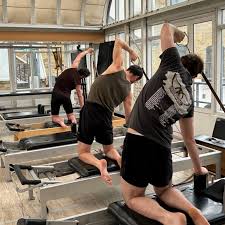
The most commonly used piece of Pilates equipment is the reformer, a sliding horizontal platform within a box-like frame where you can sit, kneel, stand or recline. It can provide support and a full range of motion, as well as varying resistance to movement using springs, pulleys and wheels. Joseph Pilates designed this apparatus to allow for a variety of body positions and to support those with injuries and disabilities.
Aside from the reformer, there are a number of other pieces of equipment that can be used in Pilates. A chair, for instance, can create instability and add challenge to some exercises. The barrel chair, which looks a bit like a low trellis with a rounded barrel on top, can be used to encourage trunk stability and is useful for pregnant women because it allows them to perform exercises while sitting up.
Can Pilates Machines Be Used at Home?
While some Pilates instructors may recommend newcomers to try a mat class before moving on to the machine equipment, there’s no denying the effectiveness of machines in helping improve your form and making certain moves more accessible for those with mobility issues or other health considerations. If you’re looking to get a taste of the machine experience at home, there are plenty of Pilates props that can be used to mimic the machine equipment.
Cork blocks are a popular pilate machines prop that can be used to make some movements more accessible, depending on your level of flexibility, or to add a new challenge. For example, placing a block between your knees or thighs can enhance the difficulty of some exercises by encouraging a deeper core engagement.
Sliders are another easy-to-use prop that can help you replicate the feeling of a Pilates reformer class at home. Essentially, these discs are placed under your feet or hands when doing certain Pilates movements to create some additional resistance and help you feel more grounded. If you don’t have a set of sliders on hand, however, you can try substituting them for something you already have at home, like towels or washcloths, as this Class Fitsugar workout with Pilates instructor Khetanya Henderson shows.
Mini bands or exercise loops can also be used at home to upgrade your clamshells and make bicep curls more challenging. They can be especially helpful for people who want to add a little extra challenge to their exercises without having to invest in more expensive equipment.