
flexible PCB supplier provide multi-layer designs
A flexible printed circuit board (PCB) is an electronic component that is capable of bending and folding while maintaining its conductor pathways. It is made with a flexible base material like polyimide that allows it to absorb vibration, dissipate heat, and bend into a variety of shapes. The flexible base also allows the PCB to withstand a wide range of environmental stresses.
A flex PCB must be constructed with precision to ensure that its electrical conductors do not come into contact with each other. This is important for both reliability and flexibility. For example, the traces must be spaced properly to prevent overlapping and shorting. In addition, the conductive materials must be chosen carefully. For example, copper foil is preferred for flex circuits since it provides excellent electrical conductivity and can accommodate tight bends without deterioration. Other conductive materials such as solder can damage the PCB when it is bent too far.
It is important to minimize the number of vias and slits in a flexible pcb supplier, as these can cause stress and cracking when the PCB is bent. Moreover, the ends of these cuts should be rounded to reduce tearing when the PCB is bent. Additionally, the drill to copper distance should be kept low to avoid stress and arcing at the joints.
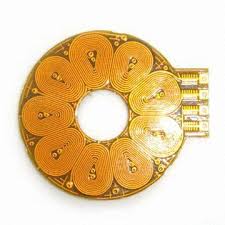
Can a flexible PCB supplier provide multi-layer designs?
When choosing a flexible pcb supplier, it is important to find one that offers high-quality components and services at a competitive price. A reputable company will be able to provide you with a comprehensive set of quality certifications, customer testimonials, and technical support. It should also be able to deliver high-quality prototypes quickly.
Another important consideration is the PCB’s manufacturing process. A reputable company will use surface inspection to make sure there are no defects on the PCB’s surface. They will also use micro inspection to check the conductive pattern for flaws such as missing copper or shorting. In addition, the etching and plating processes must be high-quality to ensure that the conductive pattern is accurate and reliable.
In terms of fabrication, a reputable company will use high-precision machinery and skilled technicians to produce a quality product. They will also test the product for a variety of factors such as flex cycle endurance, dynamic bend testing, torsion and twist, flammability rating, adherence to standards, and adhesive bond strength.
Pricing work with a flexible PCB supplier requires a detailed understanding of various factors, including material choices, design complexity, order volume, quality standards, testing requirements, and logistics. Working closely with a supplier to clarify these aspects can lead to a more accurate pricing model and potentially reduce costs through effective negotiation or strategic choices in materials and design.
When selecting a flex PCB manufacturer, it is crucial to choose one that has extensive experience producing complex multi-layer designs. This is because a faulty design can lead to the failure of the final product. In addition, it is critical to ensure that the company has a quality control system to prevent mistakes during the manufacturing process. Finally, the flex PCB should be shipped with protective packaging to prevent damage during transportation.

